For startup boards
After this book, the board materials will never feel the same.
The figures can be accurate. The targets can be reasonable. Management can be competent. The conclusion can still be wrong.
Startup boards routinely approve sensible actions before the company has earned them: more hiring, a larger round, a new market, a sales organisation or another year of investment.
More Scars Than Trophies changes the board's central question.
You stop asking
Are we on plan?
You start asking
Has the company earned the right to make this commitment?
What changes after reading this
That shift changes the board agenda, management reporting, capital allocation and the quality of challenge. Activity stops being accepted as progress. Optimism stops carrying the burden of evidence. Governance becomes a way to improve timing rather than supervise motion.
See the company behind the presentation. Challenge the assumption that matters. Protect capital before the decision becomes difficult to reverse.
Do not govern the company everyone hopes will exist. Govern the company the evidence says exists today.
Where boards lose their grip
A board rarely fails loudly. It drifts into reviewing narrative instead of governing evidence.
- Governance theatre.
- Generic reporting without decision context.
- Unclear boundaries between management and the board.
- Capital commitments before sufficient proof.
- Mature-company governance applied to an early-stage startup.
- Optimism replacing external evidence.
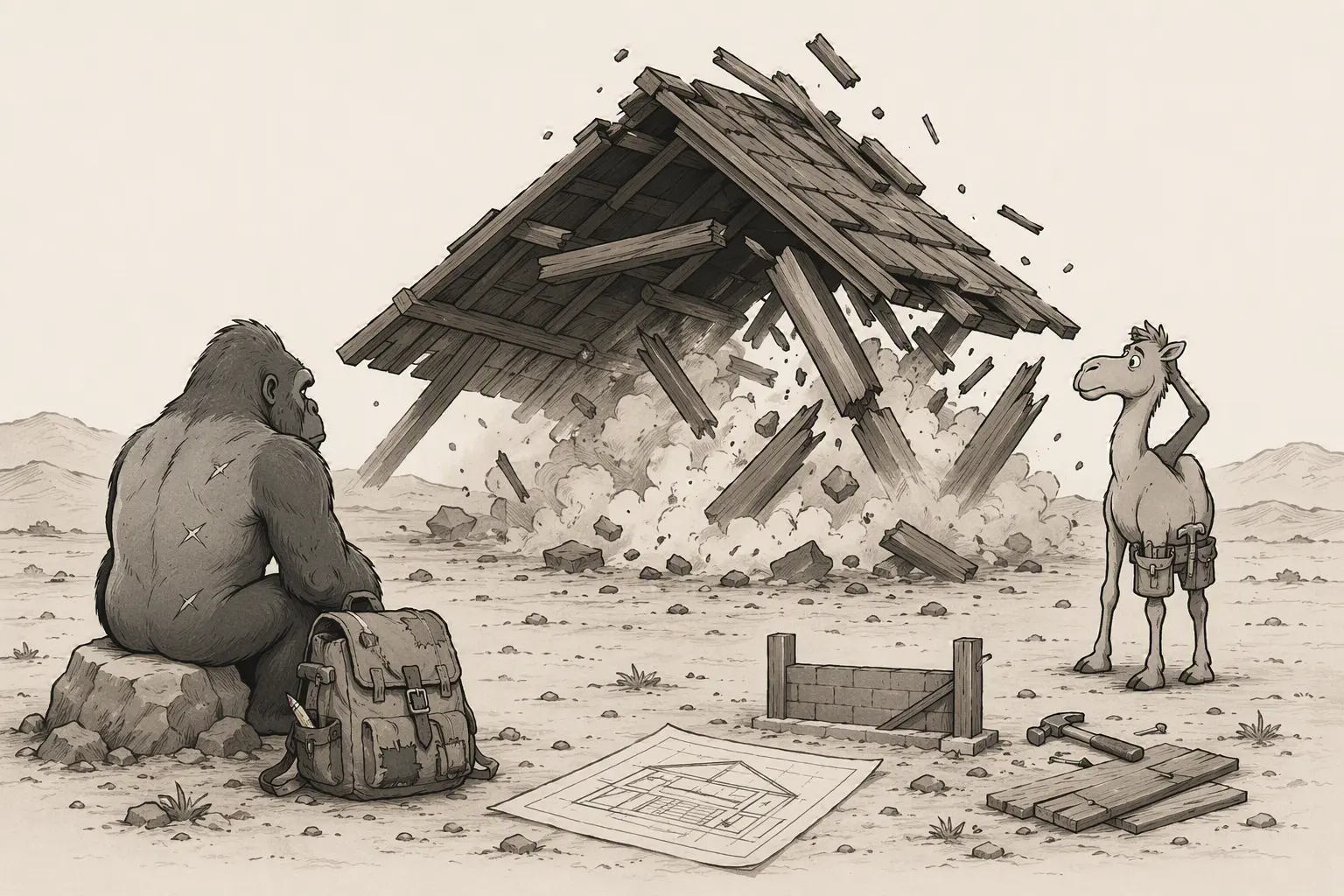
More Scars Than Trophies helps boards challenge the company at the correct proof stage without replacing management.
This book changes the lens. The Proof Stack changes the decisions.
The Proof Stack, read as a board
Each stage tells the board which questions belong on the agenda, and which are premature.
Stage 1
Discovery
Govern direction, not detail. Ask what the company has ruled out and what evidence closed the question.
Stage 2
Buyer Proof
Ask for named buyers and terms before approving spend that assumes demand already exists.
Stage 3
Value Proof
Require value evidence the customer would state independently before authorising a scaling plan.
Stage 4
Scaling Proof
Test whether the model holds without heroics, and tie capital allocation to the answer.
Stage 5
Exit Proof
Ask whether the evidence would withstand an acquirer's or later investor's diligence today.
Across all stages
Governance
Governance is the overlay across every stage: the board sets the standard of evidence a decision must meet before it becomes hard to reverse, and holds management to it without doing the work for them.
What you will gain
- An agenda anchored to the company's actual proof stage.
- Reporting requests tied to decisions rather than to habit.
- A clear boundary between oversight and operating.
- A stated evidence threshold before irreversible capital commitments.
- A way to challenge optimism without demoralising the team.
Your Proof Stack OS ebook and its AI chatbot
Choose one Proof Stack OS ebook as a downloadable PDF and receive access to that book's separate role-specific AI chatbot, claimed after purchase.
Proof Stack Company OS (PDF)
A shared structure for board and management to agree the current proof stage and the evidence required before the next commitment.
Board AI Chatbot (Proof Stack Company OS Board AI Chatbot)
A separate AI chatbot for preparing board questions from the book against the company's current stage and papers.
One package per purchase. Already bought it? Claim Proof Stack Company OS
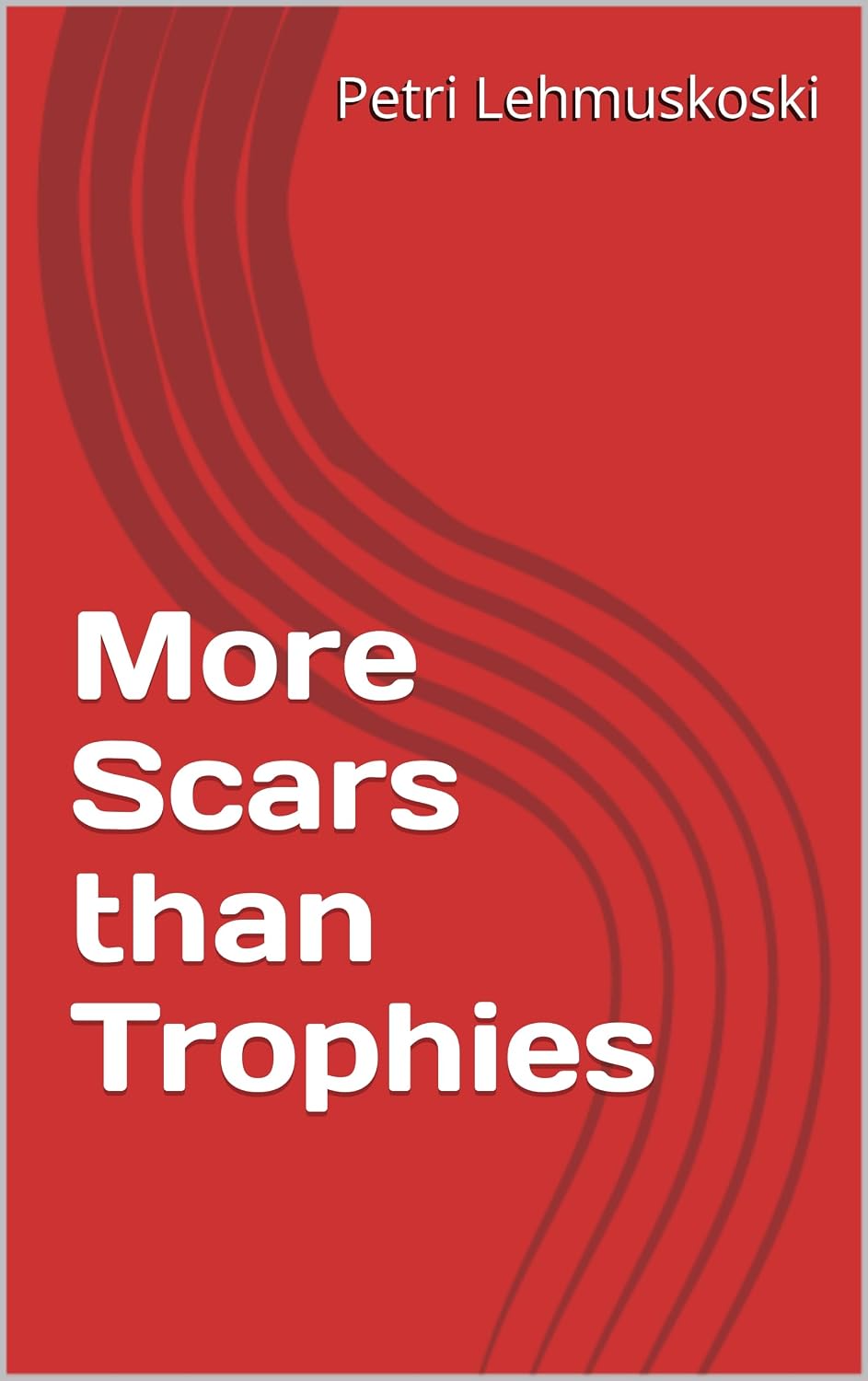
More Scars Than Trophies
A practical framework for founders, investors and startup boards who need to distinguish genuine evidence from activity, optimism and startup theatre.
Paperback available from 12 October 2026.
Choose one Proof Stack OS ebook and its matching AI chatbot.
- Publication
- Publishes 12 October 2026
- Formats
- Kindle ebook, Paperback

Free chapter
Boards approve the right action at the wrong time
Read Chapter 1 and see how a board can accept accurate reporting and still approve a commitment the company has not yet earned.
Startup Board Member is preselected. Change it if another perspective fits you better.
PDF, 6 pages.
Want future chapters and role-specific material as they’re ready?
Related writing
- Startup Boards: Why Most Don't Create ValueMost startup boards don’t destroy companies with bad advice.
- Your Company Is Not Worth One NumberValuation is not a spreadsheet exercise. It’s buyer psychology mixed with incentives.